Quick Answer
To keep a glass sunroom cool in summer, open the double roller windows on opposite walls for a steady cross-breeze, shade the sunniest wall, choose a thicker insulated roof, and run a ceiling fan. Timing your airflow to cooler mornings and evenings keeps the room comfortable through GTA heat.
A glass room facing the afternoon sun can turn into a greenhouse fast. The good news? A few smart habits and the right build details make a big difference. At Sunspace GTA by Renoasis, we design each room with airflow, roof thickness, and sun exposure in mind so you actually enjoy the space in July, not just look at it. This guide walks you through the practical steps, from ventilation to shade, and flags the mistakes we see most often. Whether your room sits over a deck in Aurora or a patio in Vaughan, the same principles apply.
Why It Pays to Keep a Glass Sunroom Cool in Summer in the GTA
Southern Ontario summers swing between humid heat waves and pleasant evenings. A three-season glass room captures every bit of that sun, which is wonderful in spring and fall but demanding in peak July. Single glazed glass lets light and warmth pour in, so without a plan the room heats up by mid-afternoon.
Comfort is the whole point. You built the space for morning coffee, evening dinners, and bug-free time with family. Keeping temperatures reasonable protects that experience and lets you use the room every day, not just when the weather cooperates.
Step 1: Open Up Cross-Ventilation
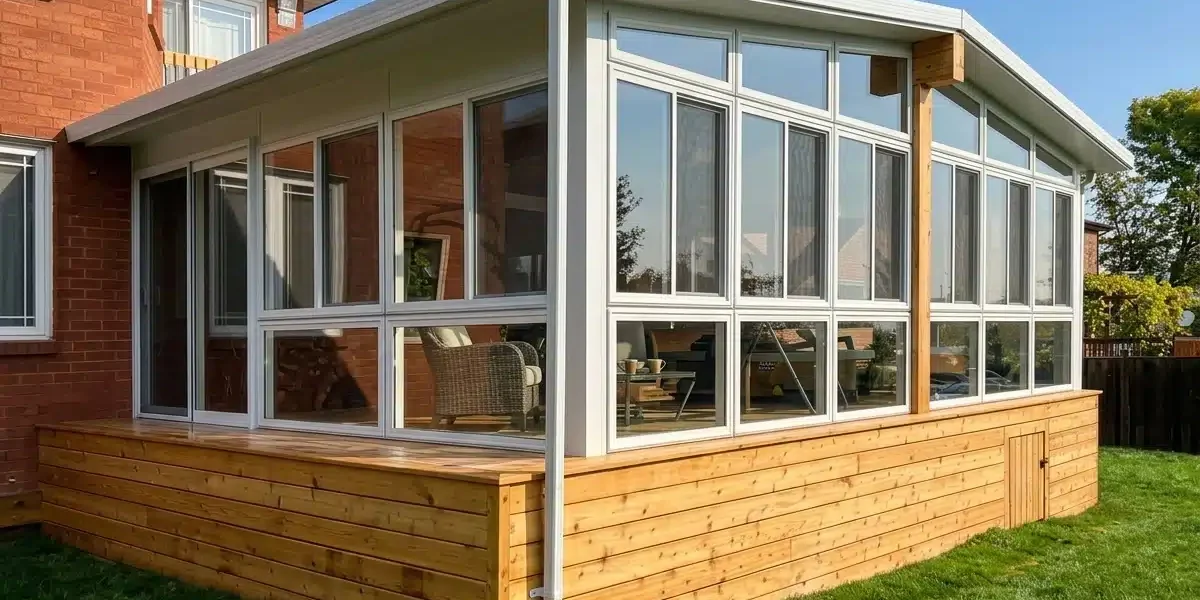
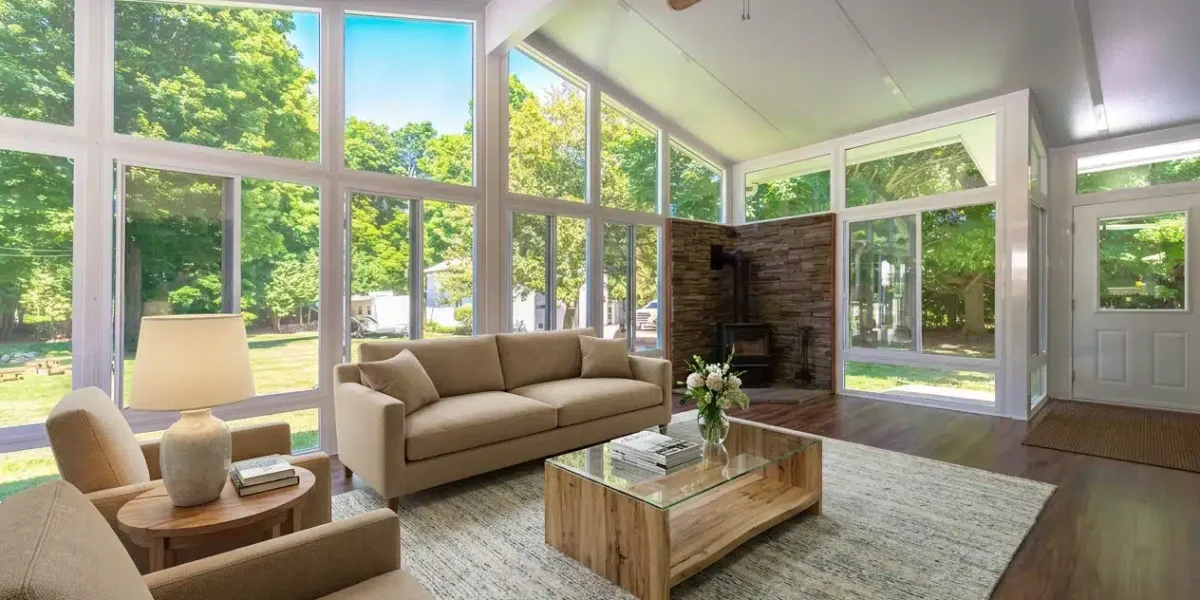
Ventilating a 3-season sunroom starts with moving air through it, not just into it. Our rooms use aluminum framed double roller windows for airflow, and both sashes operate with no fixed side. That means you get airflow out of both openings on a single window, which is a real advantage on breezy days.
Open windows on opposite walls to create a cross-breeze. Air enters on the shaded side and exits on the sunny side, carrying heat with it. Because both sashes slide, you can fine-tune the flow, opening the top to catch a high breeze or the bottom for a low one.
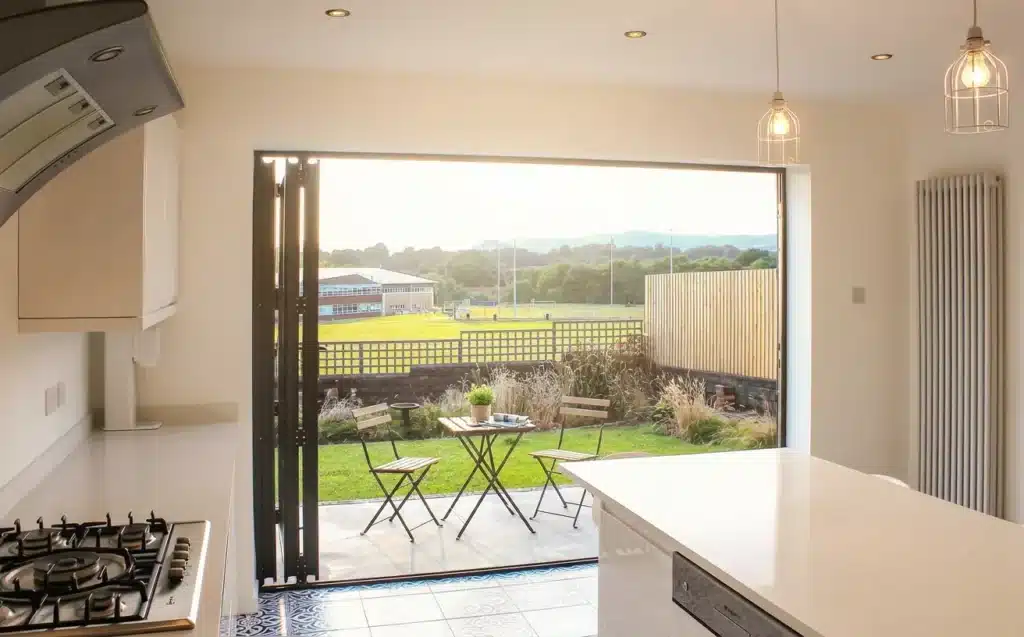
On calm days, prop open the door as well. A retractable screen system lets you keep that door open without inviting mosquitoes in, which matters for those still July evenings.
Step 2: Manage the Sun with Smart Shade
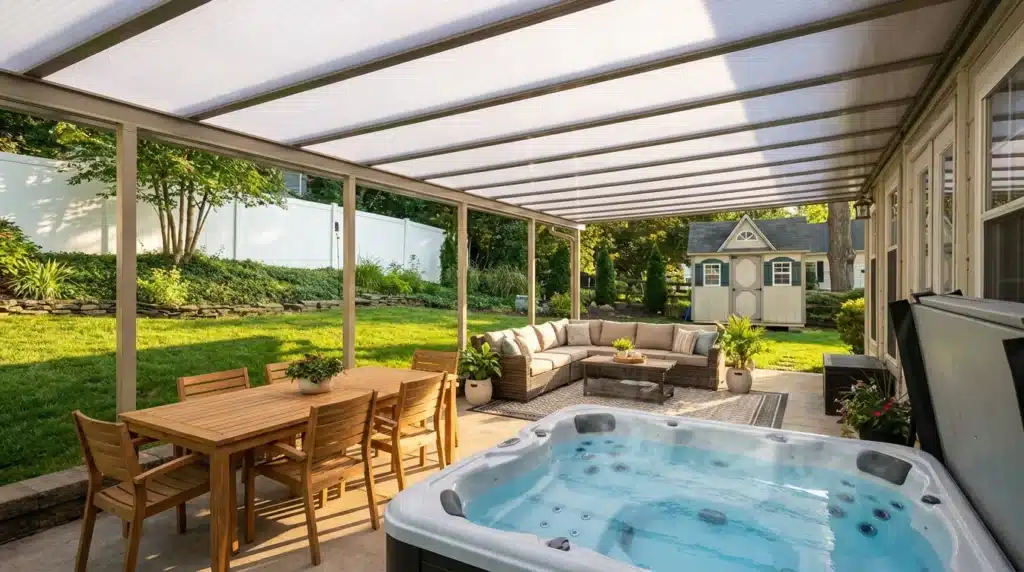
Blocking heat before it enters is easier than removing it later. Exterior shade works best because it stops sunlight before it passes through the glass. Think a pergola, a mature tree line, or a wide roof projection over the sunniest wall.
Interior options help too. Light-coloured blinds, solar shades, or cellular shades reduce glare and radiant heat while keeping the view. Roll them down on the south and west walls during the hottest hours, then raise them once the sun drops.
Frame colour plays a quiet role as well. We offer white, driftwood, bronze, black, and gray; lighter frames absorb less heat than darker ones. If your room gets intense afternoon sun, factor that in during design.
Step 3: Choose the Right Roof
The roof is your biggest defence against overhead heat. Our 3-season glass sunroom offers 4-inch or 6-inch roof thicknesses, both built with a high density foam core laminated with aluminum skins. The thicker option carries a higher R-value, which slows heat transfer on scorching days.
During design, we always weigh roof projection, snow load, and R-value together. A longer projection shades the walls below and cuts direct sun on the glass, so the room stays noticeably cooler in the afternoon.
You can choose a cathedral ceiling for volume or a contemporary studio pitch for a lower, modern profile. These systems are engineered and factory-built by Sunspace Sunrooms, then installed by our factory-trained team and backed by a manufacturer factory warranty. Getting the roof right at the start saves you comfort headaches every summer after.
For contractors and designers: the published R-values, foam-core roof specs, and defined projection and snow-load figures make this system straightforward to spec into a set of drawings. Detailing the roof thickness and projection early lets you model shading and thermal performance up front, so the finished room meets client comfort expectations without costly changes later.Step 4: Add Airflow and Time It Right
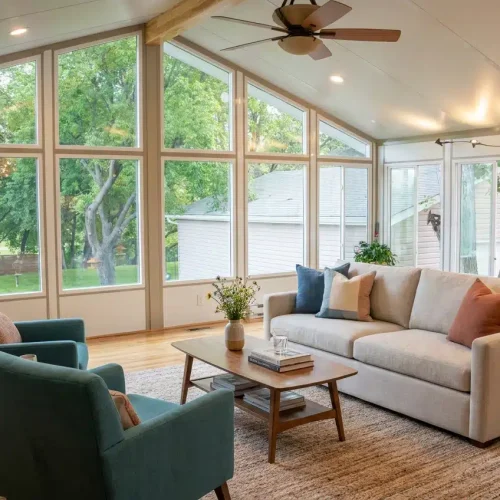
Mechanical airflow finishes the job. A ceiling fan or a couple of standing fans keep air moving across your skin, which feels several degrees cooler even when the thermometer hasn’t changed. Position one fan to pull air toward an open window so it exhausts warm air outdoors.
Timing is your free tool. Open everything wide in the cool morning to flush out overnight warmth, then close windows and lower shades before the afternoon peak to hold that cooler air. Reopen in the evening as temperatures fall.
For extra reach, pair the room with Weathermaster™ windows elsewhere on the enclosure to expand your ventilation options across the whole space.
Common Mistakes to Avoid
The most common misstep is treating a three-season room like an insulated, year-round space. Single glazed glass is built for spring through fall, not deep-summer air conditioning with no ventilation. Keep air moving and you avoid the greenhouse effect.
Another mistake is closing everything up all day. Sealing the room traps heat instead of releasing it. Ventilate early, shade during the peak, and reopen at night.
Finally, some homeowners skip exterior shade entirely and rely only on indoor blinds. Shade the glass from outside first, then fine-tune indoors. Skipping roof projection at the design stage is harder to fix later, so plan it up front with your installer.
FAQ
Can a 3-season glass sunroom get too hot to use in July?
It can if you skip ventilation and shade, since single glazed glass gathers heat quickly. With cross-ventilation through the double roller windows, exterior shade on the sunny wall, a fan, and smart timing, most rooms stay comfortable through GTA heat. The room is designed for spring, summer, and fall enjoyment, not deep-winter conditions.
Do double roller windows really improve airflow?
Yes. Our aluminum framed double roller windows have no fixed side, so both sashes operate. You get airflow out of both openings, which lets you create a true cross-breeze and adjust for high or low wind. That flexibility is one of the simplest ways to keep the room breathable on hot days.
Should I choose the 4-inch or 6-inch roof?
It depends on your sun exposure and comfort goals. The 6-inch roof has a higher R-value and slows heat transfer more effectively, which helps on sun-drenched lots. We weigh roof projection, snow load, and R-value together during design so your room performs well year-round in the GTA.
Can I add air conditioning to a 3-season room?
A three-season glass room is not sealed like an insulated, year-round enclosure, so it isn’t built for constant air conditioning. Portable cooling can help briefly, but ventilation, shade, and fans deliver the best results. If you want full climate control, ask us about insulated options during your consultation.
Conclusion
With the right roof, exterior shade, and a good cross-breeze through your roller windows, you can keep a glass sunroom cool in summer and enjoy it every day of the season. A little timing does the rest.
Every backyard sun exposure is different, and that is exactly what we account for when we design and install your room across York Region and the GTA.
Ready to plan a comfortable, bug-free retreat? Reach out to Sunspace GTA by Renoasis for a custom consultation and quote.